Kocabaş, Ufuk : Yenikapı Batıkları

20,00 €
% Regulärer Preis: 40,00 € (50% gespart)
Sofort verfügbar, Lieferzeit: 1-3 Tage
"Kocabaş, Ufuk : Yenikapı Batıkları"
Ufuk Kocabaş,
Geçmişe Açılan Kapı. Yenikapı Batıkları
Istanbul 2015
ISBN 978-605-4701-71-1
176 S., Türkisch, zahlr. Farbabb., 27 x 21 cm; kartoniert
Anmelden
Unterwasserarchäologie

Işıl Özsait-Kocabaş (Hrsg.),Yenikapı 12. An Early Medieval Merchantman / Erken Ortaçağ Ticaret Teknesi Excavation, Documentation, Construction and Technology / Kazı, Belgeleme, Konstrüksiyon ve Teknoloji(Yenikapı Shipwrecks / Yenikapı Batıkları, Vol. / Cilt III)Istanbul 2022ISBN 978-605-5607-49-4XXIV + 344 S., zahlr. Farb- und S/W-Abb., 32 x 24,5 cm; kartoniert
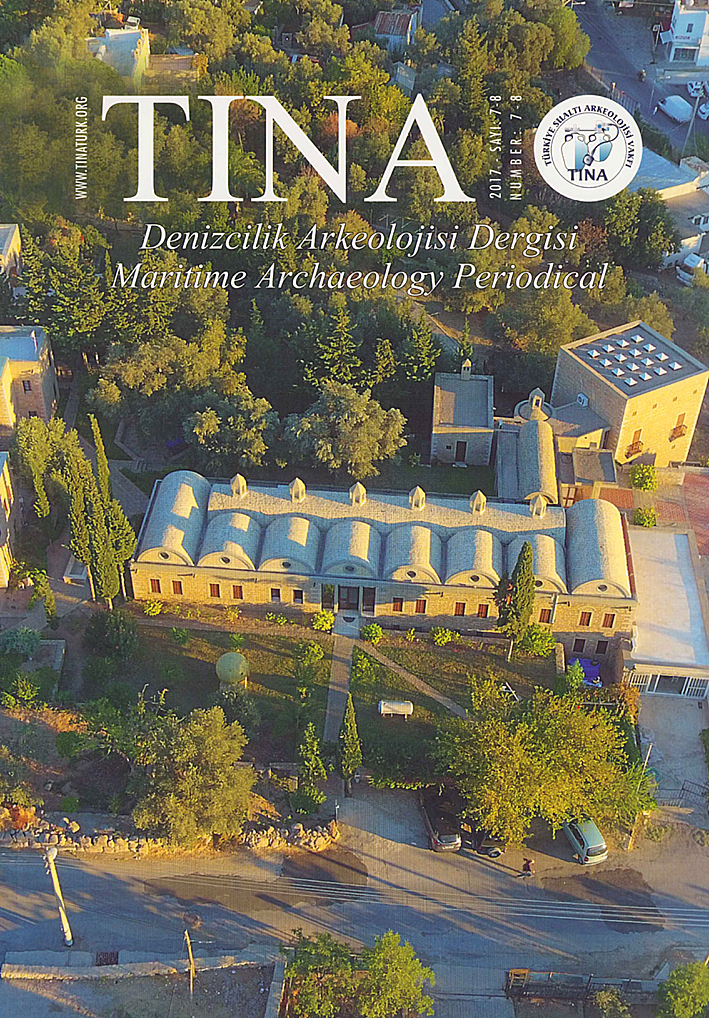
TINA - Maritime Archaeology Periodical / Denizcilik Arkeolojisi Dergisi 7-8, 2017Istanbul 2017ISSN 2149-0392Heft 7: 102 S., zahlr. Farb- und S/W-Abb., 29,7 x 21 cm, broschiertHeft 8: 164 S., zahlr. Farb- und S/W-Abb., 29,7 x 21 cm, broschiertzweisprachig englisch-türkisch

Ufuk Kocabaş (ed.), The 'Old Ships' of the 'New Gate' / Yenikapı'nın Eski Gemileri Revised second edition / Gözden Geçirilmiş 2. BaskıIstanbul 20122ISBN 978-605-5607-86-9 XX, 223 S./pp., zahlr. Farb- und S/W-Abb., 32 x 24,5 cm; kartoniert / hardcover
Byzantinistik
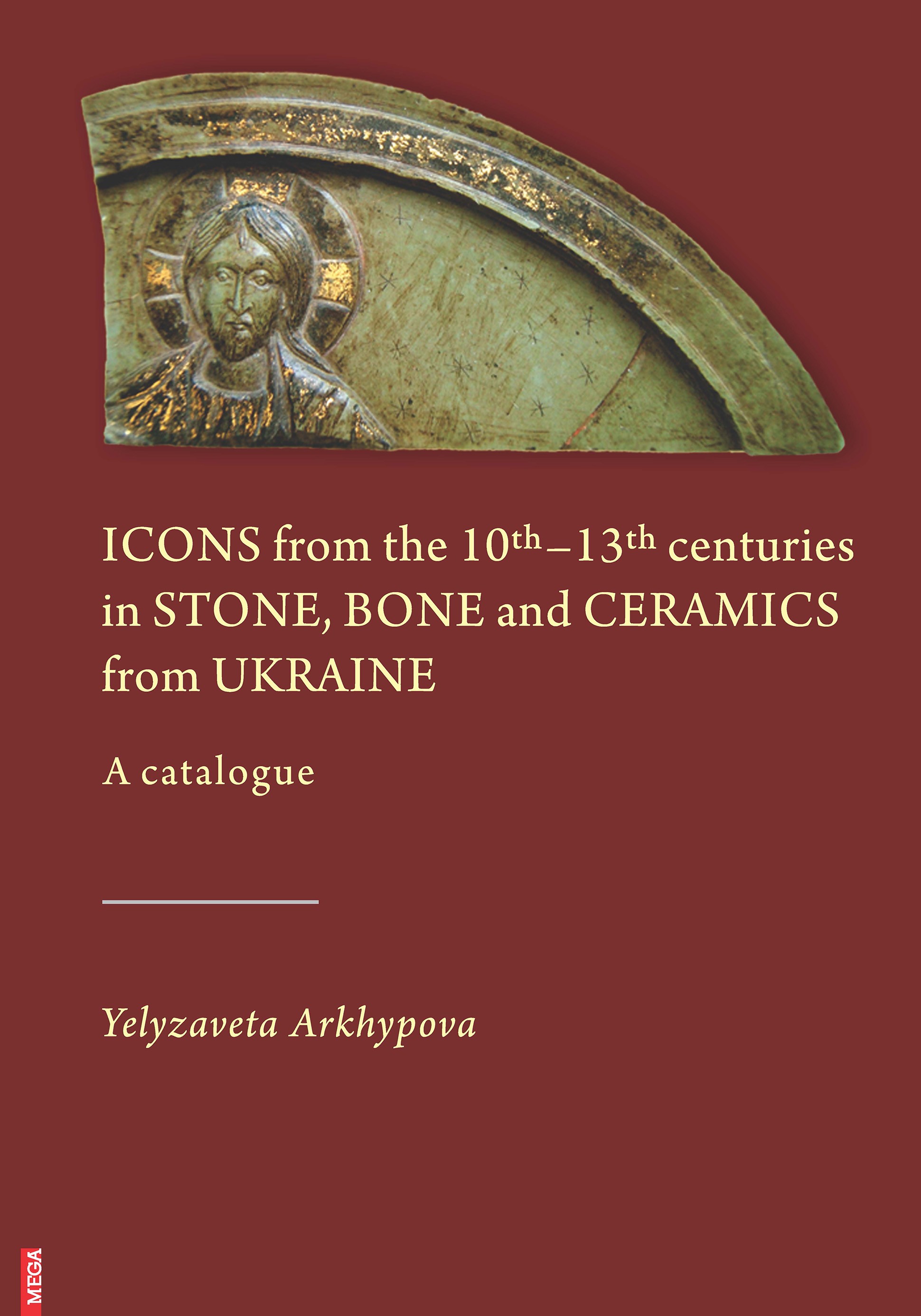
Yelyzaveta I. Akhypova, Icons from the 10th–13th centuries in Stone, Bone and Ceramics from Ukraine.A catalogueCluj – Napoca 2025ISBN 978-606-020-907-2256 S./pp., Farb- und S/W-Abb./colour and b/w-figs., 28 x 22 cm; kartoniert/hardcover This book is devoted to a very special circle of works that have reached us from the art of Kyiv Rus of the late 10th-11th centuries, and from the artistic heritage of those principalities, which after the collapse of the vast Kyiv state were formed in the southern and south-western parts of its territory. These principalities continued to exist in the 12th-13th centuries, until the invasion of the Tatar-Mongol hordes in 1230-40s, i.e. in the pre-Mongol period, and partly survived in the following decades. When it comes to the artistic culture of that vast world, we usually remember, first of all, the ecclesiastical architecture, the mosaics and the frescoes of the churches of Kyiv and Chernihiv, the enormous 11th-century icons of Novgorod, made, apparently, by artisans then visiting Kyiv, the miniatures of the 1056-57 Ostromir Lectionary, the decorations of other outstanding illustrated manuscripts, as well as the precious gold and silver jewelry, decorated with cloisonné enamel and other exquisite methods of jewelry art. The monumental sculpture also existed in that world: carvings in white stone (limestone) on the facades of some churches, narrative and ornamental plastic of certain interior elements such as remarkable reliefs(both patterned and narrative) on the slate slabs that decorated Kyiv’s churches. However, monumental sculpture and relief played relatively a modest role in that artistic world. This assessment of the role of sculpture will not change much even if we recall the existence of wooden sculpture, the art inherited from pagan times and known to us from the few surviving relatively late works of the north-east and north-west of Rus, which being largely primitive in nature have reached us only in small numbers due to the poor preservation of the material employed. (Foreword by Engelina Smirnova).

Engin Akyürek – Anastasios Tantsis – Kerem Abuhan – Ufuk Soysal – Gülseren Dikilitaş – Ozan E. Vanci – Emrah Kahraman,Saint Euphemia and Her Church in IstanbulIstanbul 2023ISBN 978-625-8022-43-8256 S./pp., zahlr. Farb- und S/W-Abb. / num. colour and b/w-figs., 28 x 21 cm; englisch Broschur/softcover The church of Saint Euphemia in Sultanahmet was among the important centers of pilgrimage in the Byzantine capital. This book focuses on the life of the saint and history, architecture and frescoes of her church in Sultanahmet, along with the recent restoration and conservations works on the church and small finds from the site.

Engin Akyürek – Koray Durak (Hrsg.),Anatolia in the Byzantine Period /Bizans Dönemi’nde AnadoluIstanbul 2021ISBN 978-975-08-5162-9XVI + 480 S., zahlr. Farb- und S/W-Abb., 34 x 23,5 cm; broschiertzweisprachig englisch - türkisch
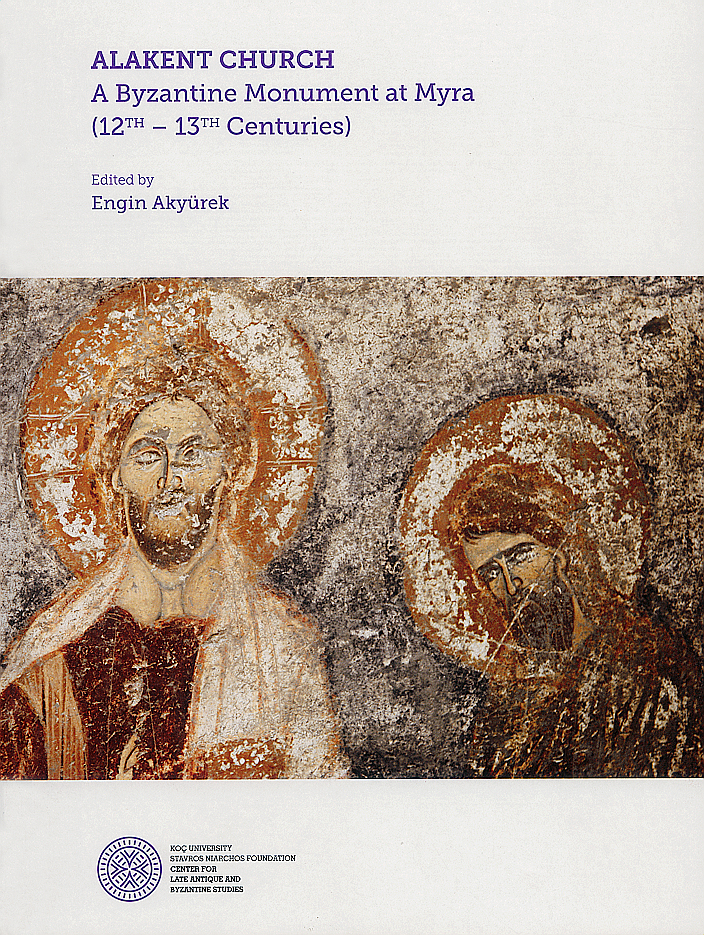
Engin Akyürek (Hrsg./ed.),Alakent Church. A Byzantine Monument at Myra (12th-13th Centuries)Istanbul 2019ISBN 978-605-2116-15-9274 S. mit zahlr. Farb- und S/W-Abb., 28 x 21,5 cm; kartoniert
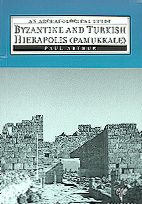
Paul Arthur,Byzantine and Turkish Hierapolis (Pamukkale)An Archaeological GuideIstanbul 2006ISBN 978-975-8071-34-0192 S., zahlreiche Farb- und S/W-Abb. im Text, 21 x 15 cm, broschiert

Nergis Ataç – M. Sacit Pekak, Kappadokia'da Kapalı Yunan Haçı Planlı Kiliselerde Apsis, Doğu Haç Kolu ve Doğu Köşe Mekanları Resim ProgramıIstanbul 2022ISBN 978-605-396-561-9256 S./pp., zahlr. Farb- und S/W-Abb./num. colour- and b/w-figs., 23,5 x 16,5 cm; kartoniert/hardcover

Abdullah Mehmet Avunduk, Rumelihisarı Semtindeki Doğu Roma (Bizans) Üsluplu Plastik Taş EserlerIzmit 2023ISBN 978-605-71715-8-0192 S./pp., zahlr. Farbabb./num. colour-figs., 19,5 x 13,5 cm; broschiert/paperback
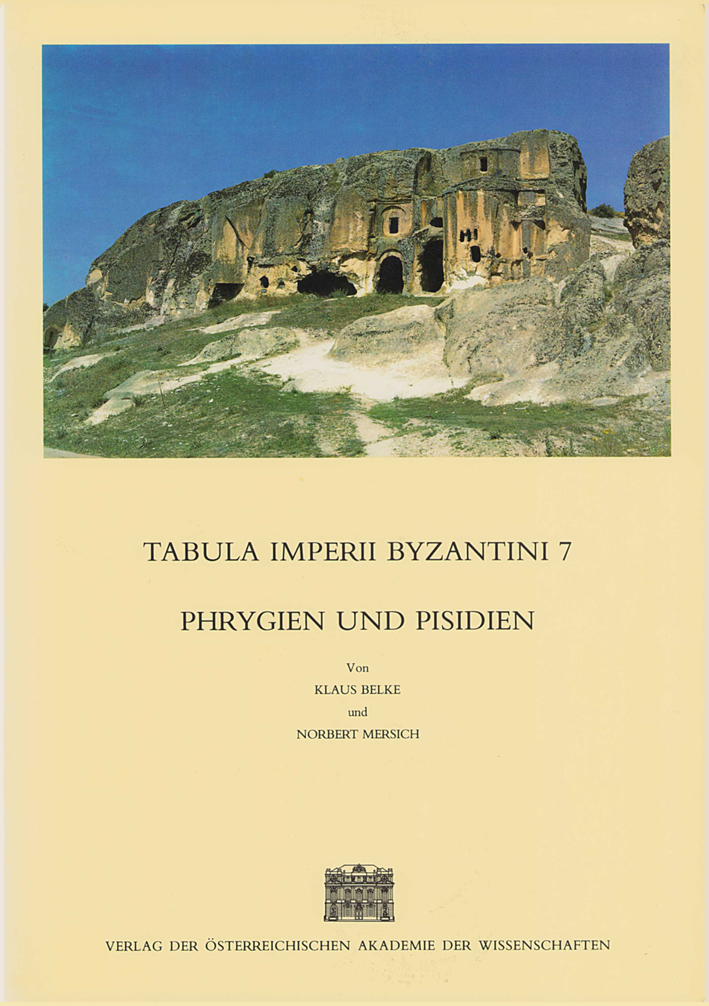
Klaus Belke - Norbert Mersich,Phrygien und PisidienTabula Imperii Byzantini 7 (= ÖAW phil.-hist. Kl. Denkschr. 211)Wien 1990462 S., 161 SW-Abb. auf Tafeln, Kartenbeilagen; 29,7 x 21 cm, broschiert
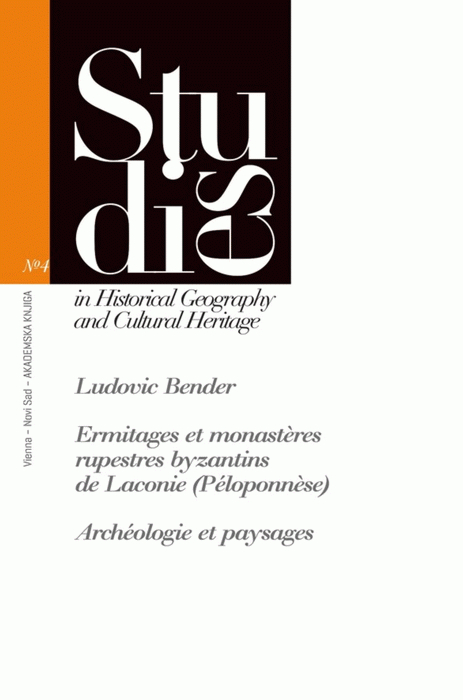
Ludovic Bender, Ermitages et monastères rupestres byzantins de Laconie (Péloponnèse). Archéologie et paysages(Studies in Historical Geography and Cultural Heritage, 4)Novi Sad 2022ISBN 978-86-6263-412-2 381 S./pp., 79 Farb- und S/W-Taf./colour and b/w-pls., CD-ROM; 22,5 x 14 cm; kartoniert/hardcover The landscape of the Southeast Peloponnese (Laconia, Greece), a very important region of the Empire in the context of the late Byzantine period, was comprised of important bishopric centers, such as Mistra and Monemvasia, as well as numerous villages, powerful monastic foundations, and smaller hermitages frequently built in caves and isolated settings. Grounded both on systematic fieldwork and detailed surveys of the monuments, this book is the first comprehensive study of the eremitical and monastic landscapes of the region. It investigates the interactions of isolated hermits and established communities, the relationships of large monasteries to smaller foundations, and the interweaving of monastic and rural economies. It aims at identifying the monks themselves, their preoccupations and aspirations, which are reflected not only by the choice of the patron saints of the holy places they founded or the content of the painted decoration but also by the choice of location or a deep relationship with natural elements of the landscape.

Antonios Botonakis – Merve Özkılıç (Hrsg.), Sound of Byzantium. Byzantine Musical Instruments Istanbul 2022ISBN 978-605-7685-85-8XVI + 112 S., zahlr. Farbabb., 28 x 21 cm, kartoniert / hardcover

Hasan Buyruk,Giresun Müzesi Geç Roma ve Bizans Dönemi Altın SikkelerAnkara 2021ISBN 978-625-7358-33-0XII + 126 S., zahlr. Farb-Abb., 23,5 x 16 cm; broschiert

Pantelis Charalampakis – Georgi Sengalevich (eds.),In memoriam professoris Ivani Jordanov(Bulletin of the National Archaeological Institute, vol. 51) Sofia 2026ISBN 978-619-254-059-3 250 S./pp., zahlr. Farb. und S/W-Abb./ num. colour and b/w-figs., 28 x 20 cm; broschiert/softcover

Ivan Chokoev,Textiles from graves near the Forty Holy Martyrs church in Veliko Tarnovo /Тъкани от гробове край църквата "Св.Четиридесет Мъченици" във Велико ТърновоVeliko Tarnovo 2026ISBN 978-619-00-2094-3 398 S./pp., zahlr. Farb- und S/W-Abb. / num. colour and b/w-figs., 29,7 x 21 cm; kartoniert/hardcoverbulgarisch mit ausführlicher englischer Zusammenfassung /bulgarian with a detailed English summaryThe Church of the Holy Forty Martyrs in Veliko Tarnovo was founded in 1230. From 1970 to 2007, an archaeological survey was conducted of the Medieval church and the architectural complex surrounding it. Hundreds of graves from the capital’s heyday were also uncovered, some of which contained a wealth of textile materials. This book presents the results of the analysis of these textiles.

Constantinos M. Constantopoulos, Byzantine Lead Seals – The Stamoules’ Collection(Siatras Numismatic Studies, 10)Athens 2023ISBN 978-628-5818-00-5 108 S./pp., zahlr. S/W-Abb./num. b/w-figs., 23,5 x 16 cm; broschiert/softcoverAnastasios Stamoules was a Greek born in 1843 at the small town of Selymbria, Eastern Thrace, then a part of the Ottoman Empire. He studied in the Orthodox College of the Oecumenical Patriarchate at Constantinople. From very young age, he had started collecting objects relating to the history of Thrace. As a result a huge collection of Greek, Roman and Byzantine objects was formed. Unfortunately the biggest part of this collection was stolen by the troops of the Allies during WW I. The forced population displacement of the 1920's lead the whole family in Athens. In 1924 Stamoules donated the coins and the lead seals that managed to bring with him to the Numismatic Museum. This book presents in detail the Byzantine lead seals of Stamoules' Collection. What is important is that all seals were locally collected, at the small area around Selymbria, one could justifiably call it "the Selymbria Collection". The Byzantine city was an important strategic settlement located in the interior of the Long Walls of Thrace, at the end of Via Egnatia, it also was a religious centre, as is still obvious from the remains of many churches that survive. It is mentioned in the sources as an archdiocese and later as a metropolis. Therefore the seals of the Collection can also be used as a primary material for historical studies.

Nilay Çorağan, The Wall paintings of the Church of St. Nicholas in Demre ASMS (AKMED Series in Mediterranean Studies) 5 Istanbul 2023ISBN 978-625-8022-57-5XII + 318 S./pp., zahlr. Farb- und S/W-Abb. / num. colour and b/w-figs., 28 x 21 cm; kartoniert/hardcover

Olivier Delouis – Brigitte Pitarakis,Discovering Byzantium in Istanbul. Scholars, Institutions, and Challenges, 1800–1955Istanbul 2022ISBN 978-605-71205-3-3399 S./pp., zahlr. Farbabb./num. colour figs., 24 x 16 cm; broschiert/paperback

Vasilika Dimitrovska,Byzantine Heritage of Skopje. GuidebookSkopje 2019ISBN 978-608-65538-3-835 S., zahlr. Farbabb., 21 x 13,5 cm; geheftet

Koray Durak,The Odyssey of Byzantine Studies in Turkey / Türkiye’de Bizans Çalışmalarının SerüveniIstanbul 2023ISBN 978-625-8022-49-0355 S./pp., zahlr. Farb- und S/W-Abb. / num. colour and b/w-figs., 28 x 21 cm; englisch Broschur/softcover

Galina Fingarova – Fani Gargova – Margaret Mullett (eds.), Illuminations. Studies presented to Lioba TheisWien 2022ISBN 978-3-85161-279-0 195 S./pp., zahlr. Farb- und S/W-Abb./num. colour and b/w-figs., 29,7 x 21 cm; kartoniert/hardcover

Ebru Fatma Fındık – Sema Doğan – Vera Bulgurlu,St.Nicholas Church Demre – Myra Istanbul 2024 ISBN 978-605-396-570-1112 S./pp., zahlr Farbabb./num. colour figs., 23,5 x 16,5 cm; broschiert/softcover

Ioannis M. Fountoulis,The Agiasma of Ayvalık Holy Water Sanctuary. Panagia Phaneromeni of Kydonies Istanbul 2024ISBN 978-975-6158-42-588 S./pp., zahlr. Farbabb./num. colour figs., 23,5 x 16 cm; broschiert/softcover
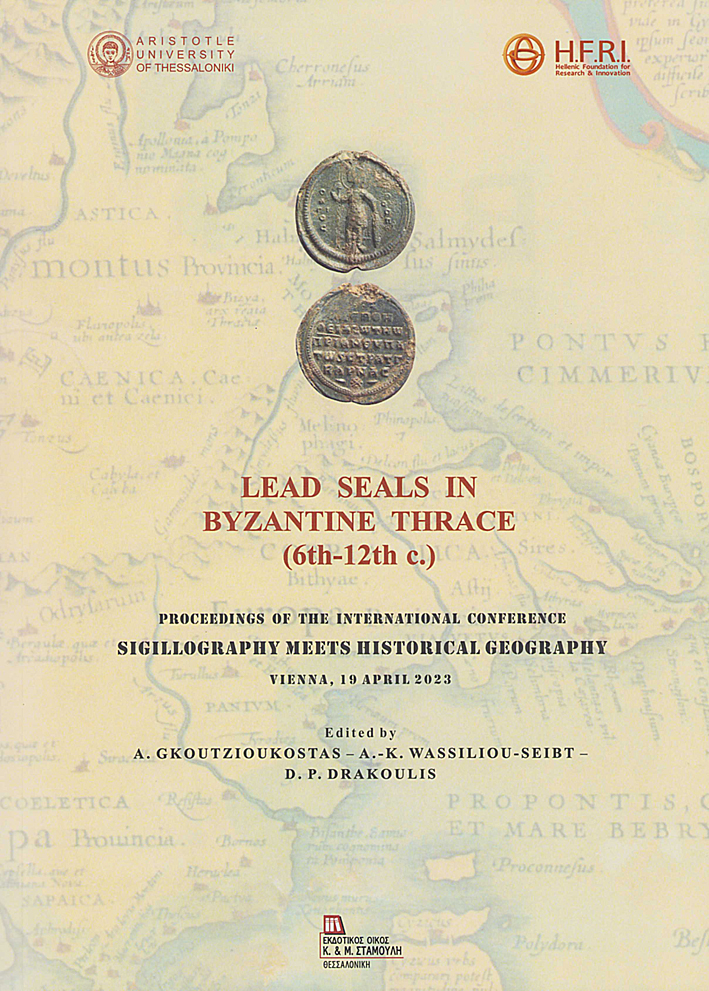
Andreas Gkoutzioukostas – Alexandra-Kyriaki Wassiliou-Seibt – Dimitrios P. Drakoulis (eds.), Lead Seals in Byzantine Thrace (6th-12th c.) Proceedings of the International Conference Sigillography Meets Historical Geography. Vienna, 19 April 2023Thessaloniki 2023ISBN 978-960-656-186-3 502 S./pp., zahlr. Farb- und S/W-Abb./num. colour and b/w-figs., 29 x 21 cm; broschiert/softcover

Michael Grünbart (Hrsg.),Gold und Blei. Byzantinische Kostbarkeiten aus dem Münsterland(Katalog zu den Ausstellungen im Ikonenmuseum, Recklinghausen, 23.6. – 21.10.2012 und im Archäologischen Museum der Westfälischen Wilhelms-Universität Münster, 7.9.2013 – 12.1.2014) Wien 2012ISBN 978-3-85161-080-2207 S., 53 Farb- und 92 S/W-Abb., 24 x 17 cm; kartoniert
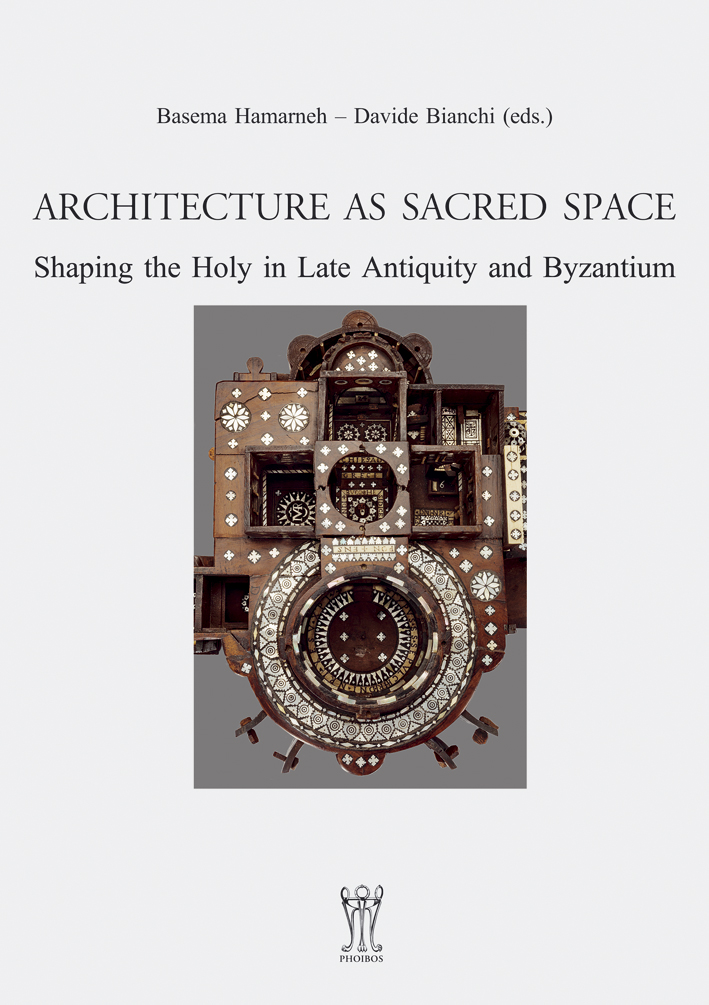
Basema Hamarneh – Davide Bianchi (eds.),Architecture as Sacred Space. Shaping the Holy in Late Antiquity and ByzantiumWien 2024ISBN 978-3-85161-306-3164 S./pp., zahlr. Farb- und S/W-Abb./num colour and b/w-figs., 29,7 x 21 cm; kartoniert/hardcover Die Publikation versammelt Studien zur Analyse der nicht wahrnehmbaren und doch sehr offensichtlichen Grenze zwischen der Materialität einer architektonischen Konstruktion und dem Sakralen. Die Beiträge versuchen anhand von Beispielen aus der Welt der Spätantike folgende Fragen zu diskutieren: Wie verhalten sich Architektur und sakraler Raum zueinander? Wie sollten sie betrachtet werden? Wie trugen Ritual, Erinnerung und gebaute Umwelt zur kulturellen Ausformulierung heiliger Räume und ihrer Wahrnehmung bei? Und was erklärt die anhaltende Anziehungskraft heiliger Räume?Die einzelnen Kapitel befassen sich mit den architektonischen Gegebenheiten in Orten und Gebieten von Bordeaux bis Rom, von Hierapolis bis Konstantinopel und von Shivta bis Aksum.